
Pre-wash Preparation
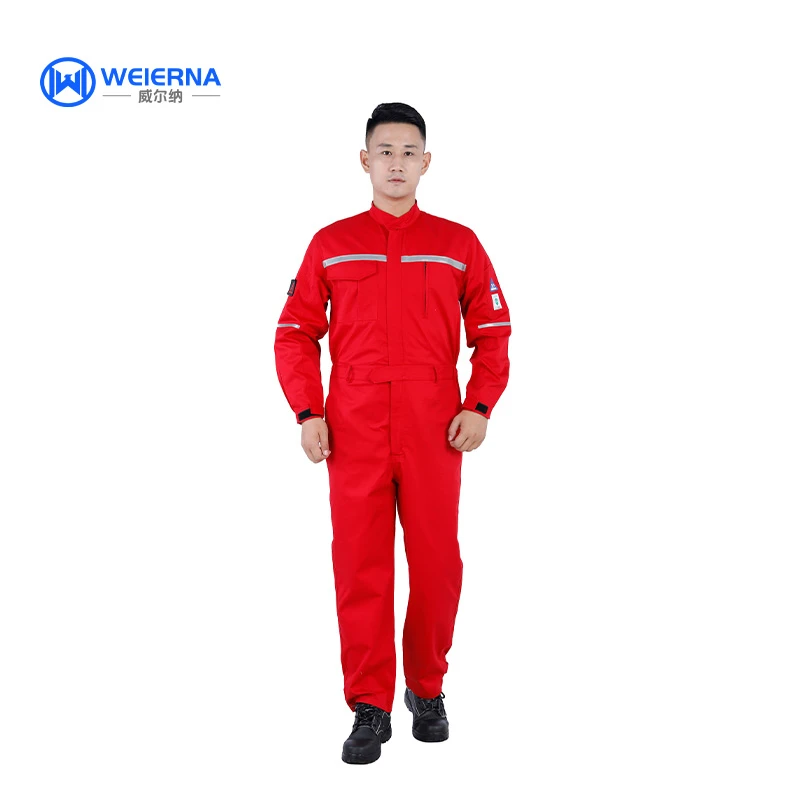
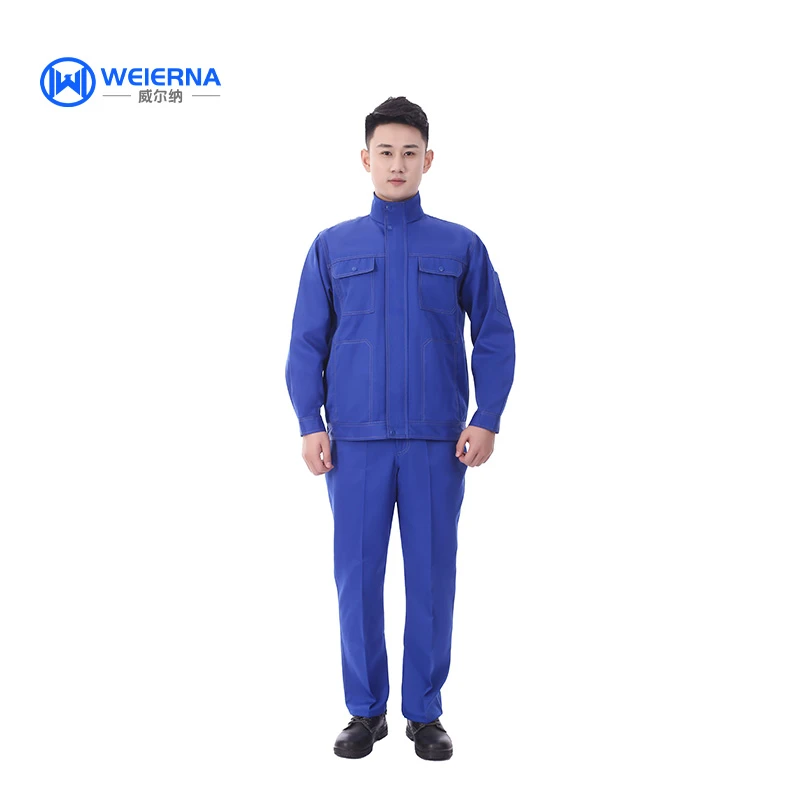
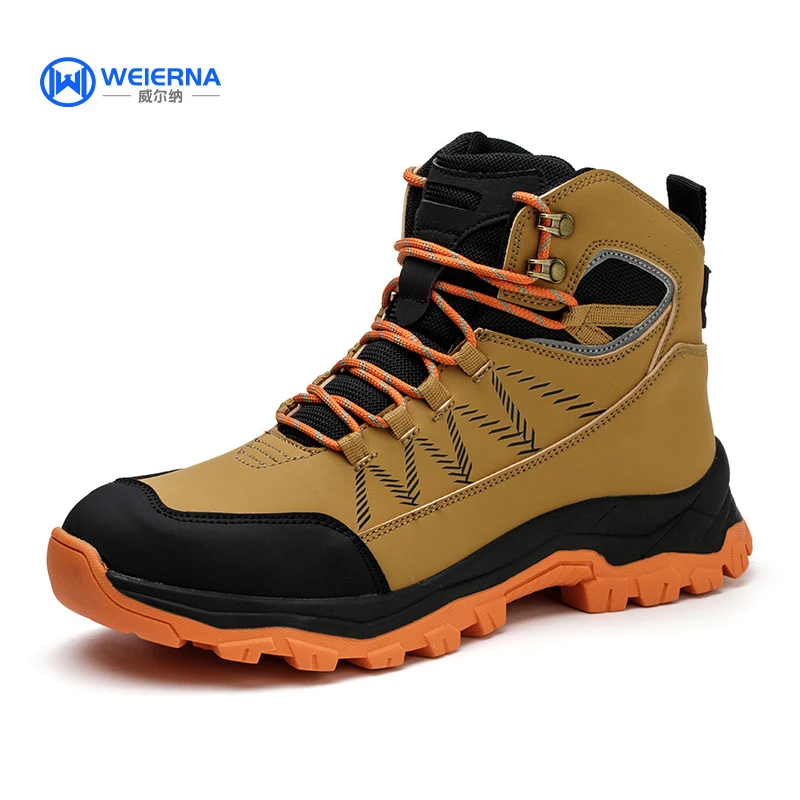
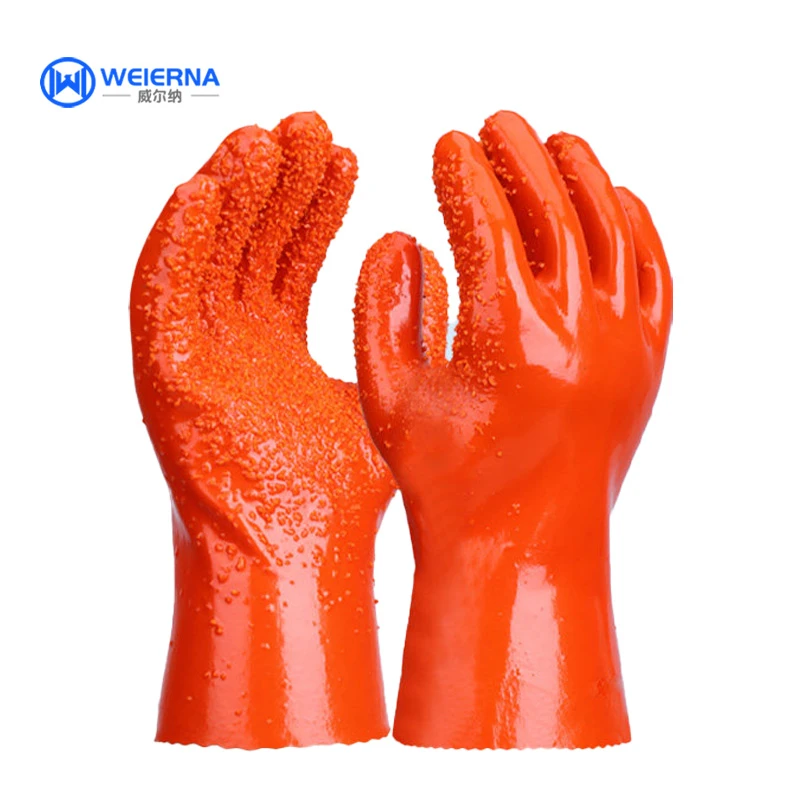
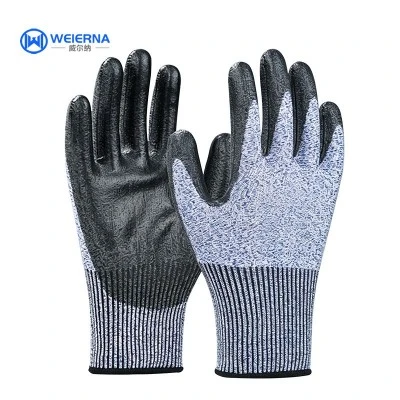
Sorting: Separate items by material, color, and level of soiling. Keep dark and light colors apart; pre-treat heavily oil-stained garments separately; and segregate anti-static clothing from standard workwear to prevent color bleeding or the loss of anti-static properties.
Pre-treatment & Inspection: Remove stubborn stains (such as heavy oil or blood) beforehand. Check accessories like zippers and clasps; fasten all closures to minimize fabric friction; and promptly repair or discard damaged garments.
Detergent Selection:Choose detergents suited to the fabric type. Avoid enzyme-based detergents for anti-static clothing and bleaching agents or organic solvents for acid-resistant clothing; also, avoid excessive detergent use to prevent residue buildup.
Washing Process Control
Water Temperature: Maintain 30–35°C for cotton fabrics and a maximum of 40°C for anti-static clothing. Do not use hot water for airtight acid-resistant suits, and avoid high-temperature washing for chemical fiber fabrics to prevent deformation or shrinkage.
Handling Intensity: Gently hand-wash cotton fabrics prone to pilling; use a soft-bristled brush for stiff, heavy fabrics. Strictly avoid hard scrubbing or vigorous beating for acid-resistant and anti-static clothing to prevent damaging their protective layers.
Special Function Protection: Do not use chlorine-based bleach on flame-retardant clothing. Clean-room workwear must be washed and dried in a high-cleanliness environment, and the water used for washing must be purified.