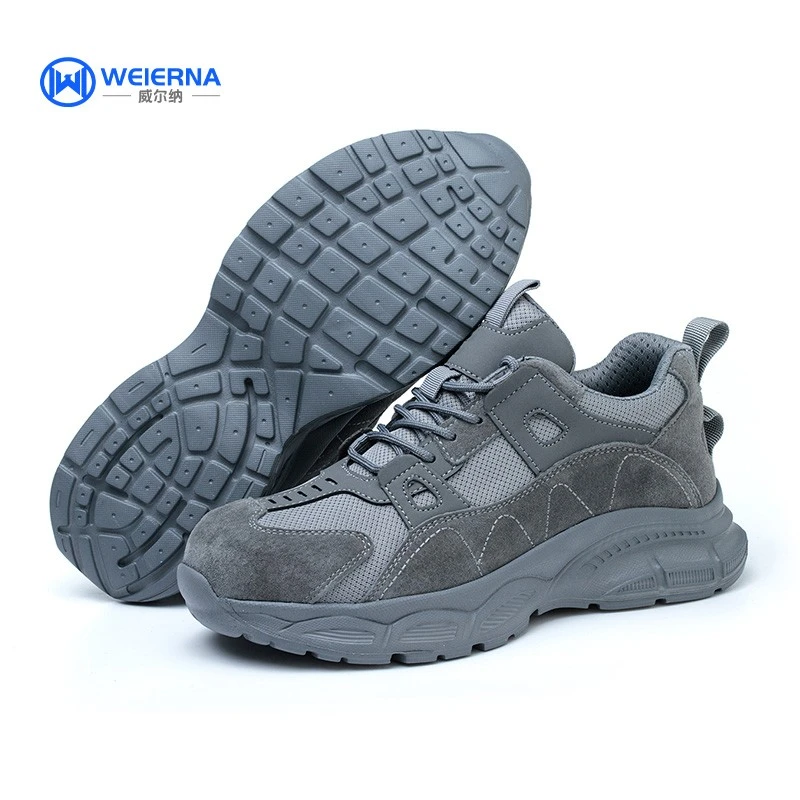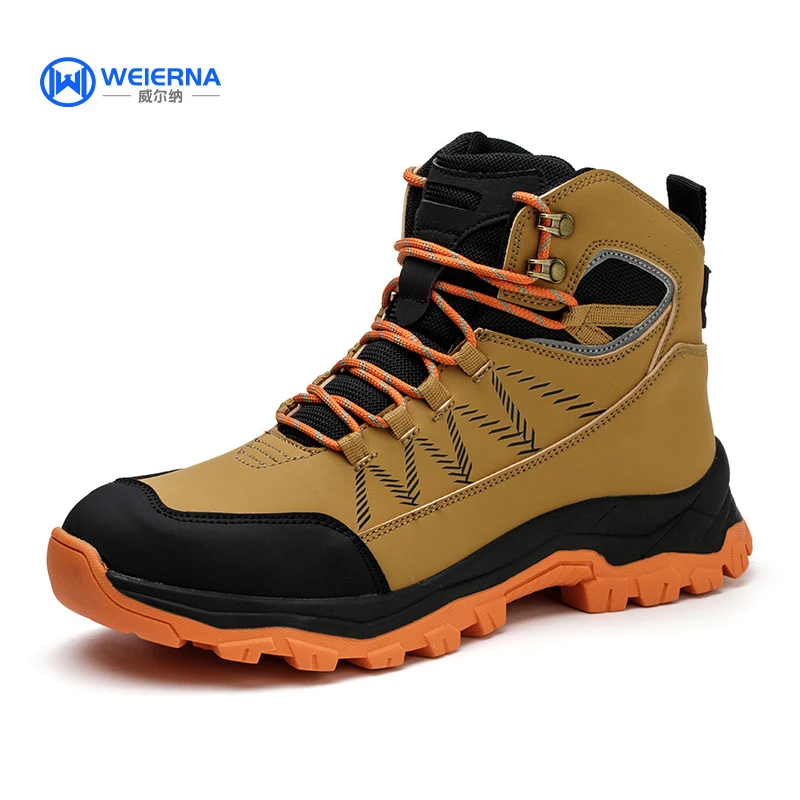

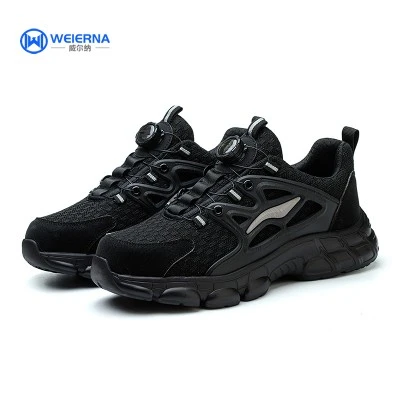
There is a possibility of chafing or blisters when wearing safety shoes daily; whether this occurs depends directly on the fit of the shoe and your wearing habits.
Key reasons for chafing
Mismatched size or shape: Shoes that are too large allow the foot to slide and rub against the interior, while shoes that are too small compress the toes and heels; a last (shoe mold) that doesn't match your foot shape can also cause localized pressure.
Protective design features: An ill-fitting steel toe cap (wrong size or height), a misplaced puncture-resistant plate, or a heel collar that is too high and lacks soft padding can cause concentrated friction on areas like the little toe and heel.
Stiff materials in new shoes: Safety shoes use thick, rigid materials for protection; the leather can be stiff and the stitched edges rough, making it easy to scrape or chafe the skin when first worn.
Practical ways to prevent chafing
Break in new shoes beforehand: Walk short distances indoors to get used to them; use a hair dryer on a low setting to soften areas that cause rubbing, or apply gauze soaked in high-proof alcohol (like baijiu) to the heel collar overnight to soften the material.
Optimize the interior: Switch to soft insoles with arch support, apply silicone anti-chafing pads to problem areas, and choose thick, breathable socks with a cotton content of over 70%.
Adjust how you wear them: Tighten the laces starting from the bottom (near the toe) while keeping the forefoot area slightly looser to prevent the foot from sliding inside; limit wear time to no more than 4 hours a day initially, gradually increasing the duration.