Standard Production Workflow
Preparation: Fabrics and accessories undergo incoming inspection (checking tear strength, shrinkage, colorfastness, etc.). Patterns are created using CAD software, incorporating reinforced designs for high-wear areas such as elbows and knees.
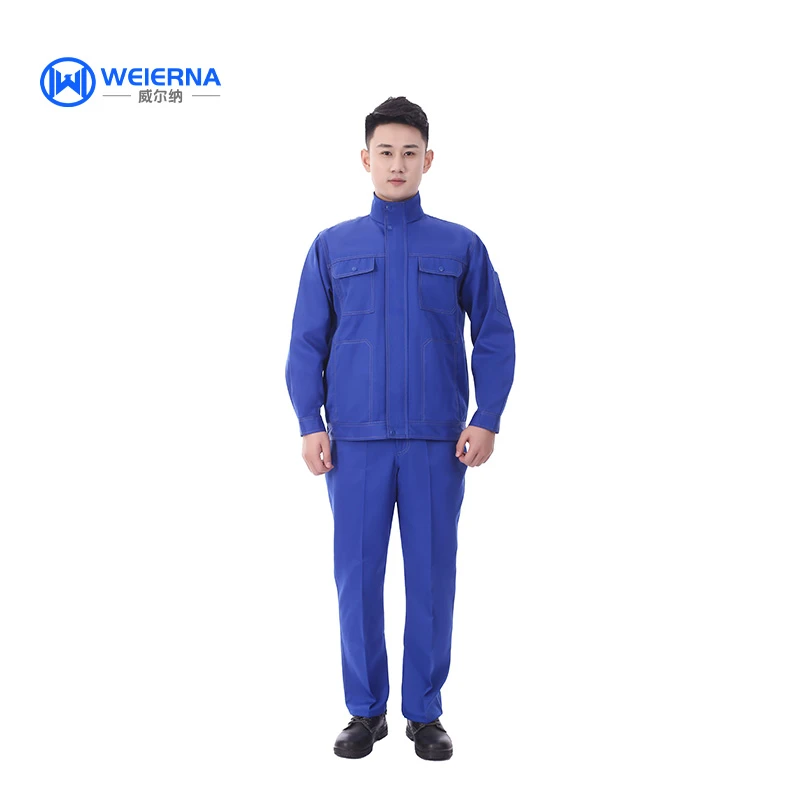
Cutting and Sewing: Patterns are cut precisely according to specifications. Stitch density is set at 14–18 stitches per 3 cm; critical areas feature reinforced double-needle lap seams; and durable components, such as zippers, are used.
Finishing and Quality Control: After buttonholes and buttons are attached, garments undergo final pressing and shaping. Comprehensive checks cover dimensions, stitching, and protective performance before packaging and shipment.
Specialized Processes for Functional Workwear
Anti-static Workwear: Conductive fibers are evenly blended into the fabric during weaving, and flame-retardant thread is used for sewing. Finished garments must meet the national standard of ≤0.6 μC for electrostatic charge per garment.
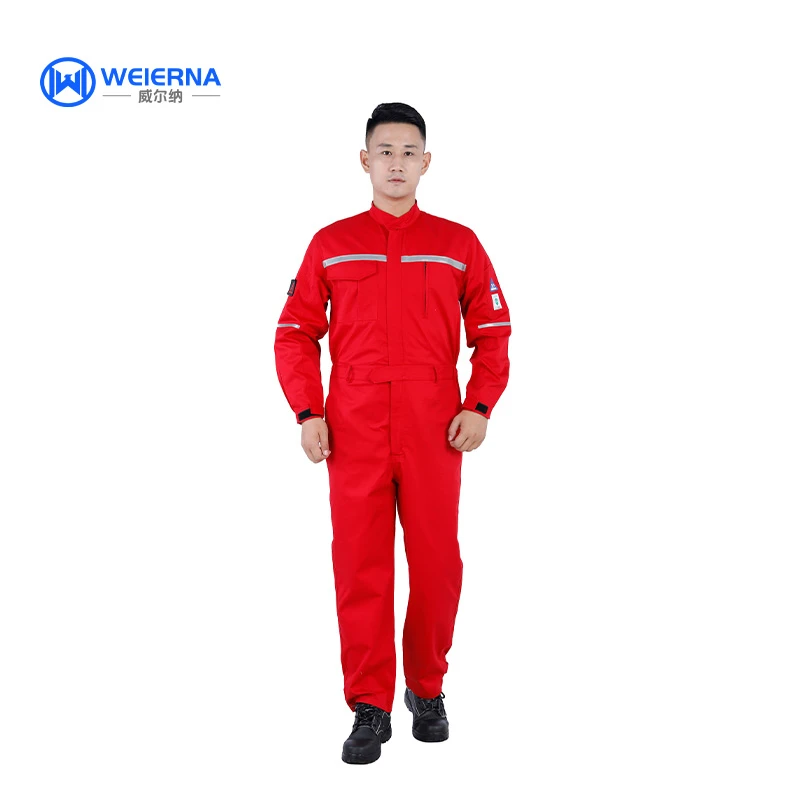
Flame-retardant Workwear: Acrylic fibers undergo flame-retardant modification, or inherently flame-retardant fibers (such as aramid) are used. Some high-end models incorporate TPU or PTFE membranes for waterproof and breathable functionality. Finished garments must have a Limiting Oxygen Index (LOI) greater than 28%.