Outsole Material
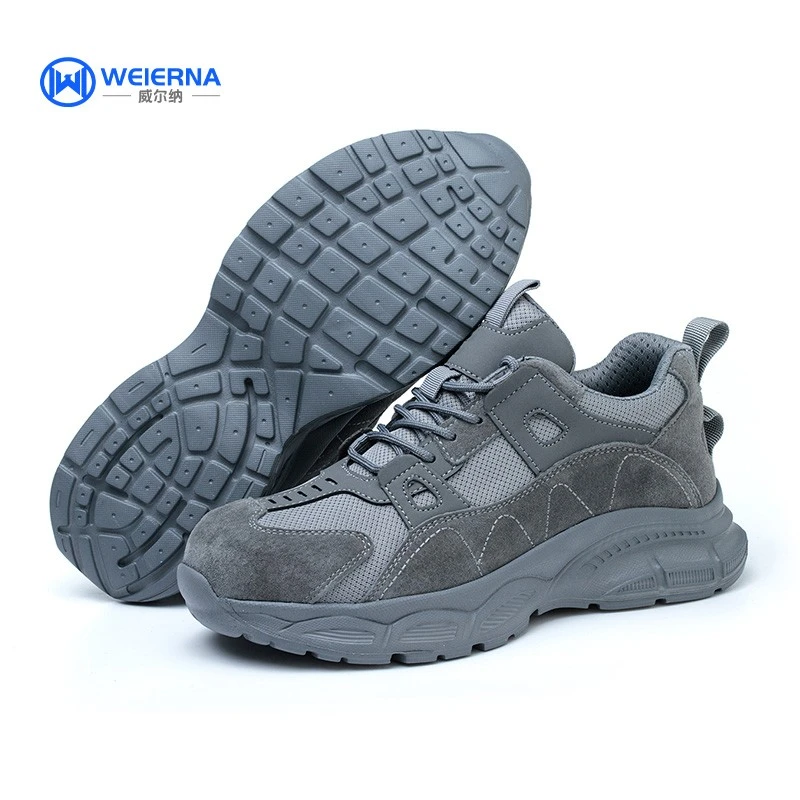
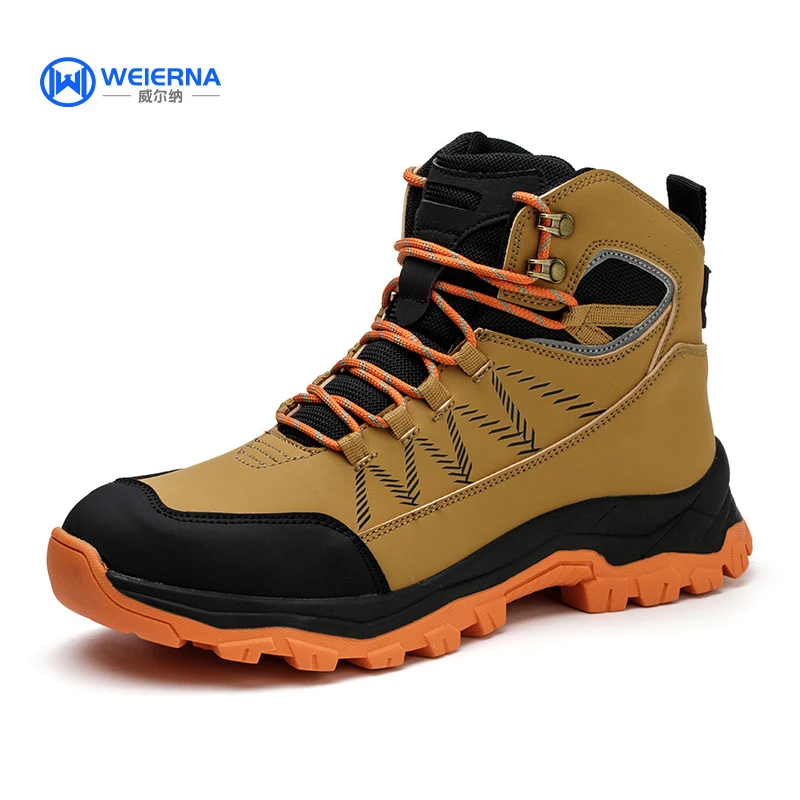
Construction sites, mines, or rugged outdoor environments: Choose rubber soles; they are slip-resistant, oil-resistant, heat-resistant, and puncture-resistant, offering strong traction on rough terrain.
Factory or logistics settings requiring long periods of standing: Choose PU (polyurethane) soles; they are lightweight and shock-absorbing, reducing foot fatigue during extended walking.
For maximum lightness: Choose rubber-EVA composite soles, which balance slip resistance and durability with a lightweight design.
Toe Cap Material (Impact Protection)
Heavy industry or high-temperature operations: Choose steel toe caps; they offer high impact and heat resistance, lower costs, and reliable protection.
Electricians, precision workshops, or environments requiring frequent security checks: Choose composite toe caps (e.g., fiberglass); they are non-conductive (insulating), non-magnetic, lighter, and do not get cold in low temperatures.
Puncture-Resistant Midsole
Prioritize Kevlar; it is lighter than traditional steel plates, offers puncture resistance up to 1400N, and makes walking less strenuous.
Upper Material
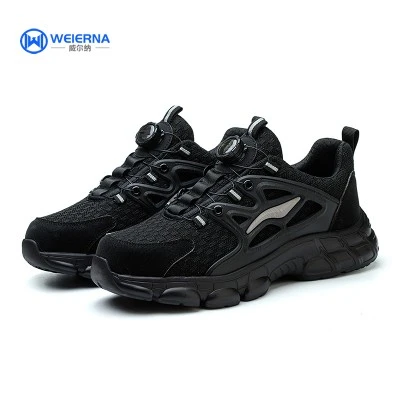
For general daily use: Choose top-grain cowhide; it is durable and breathable. For summer work: Choose fly-knit mesh styles for superior breathability.