
Physical Protection
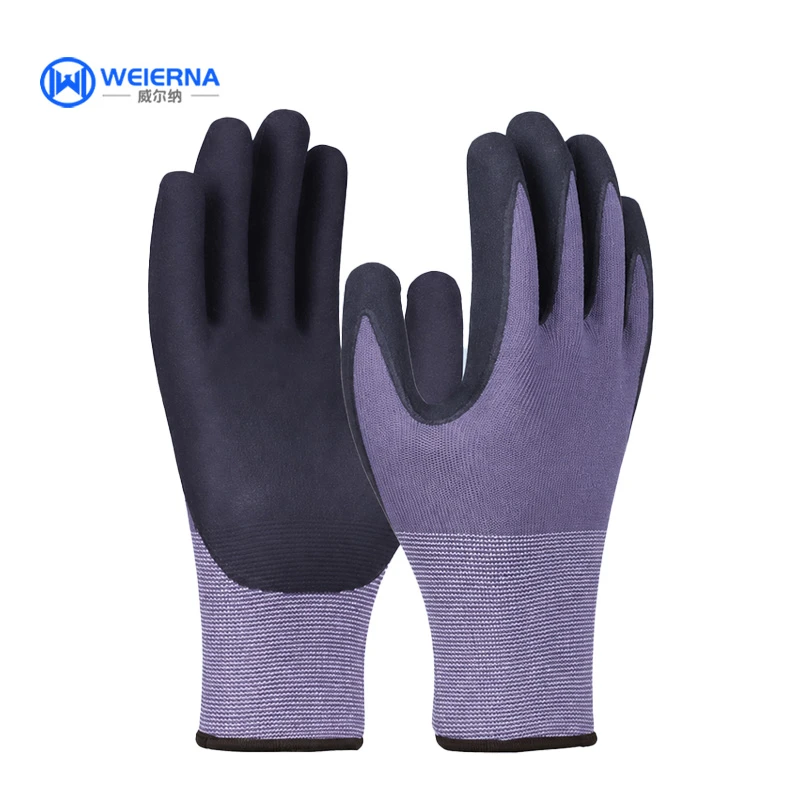
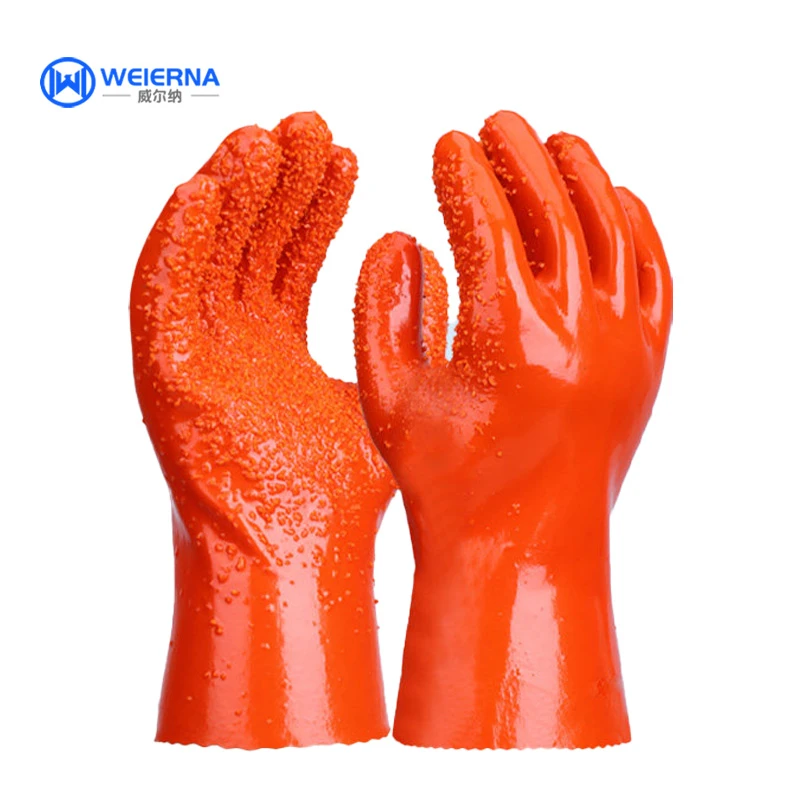
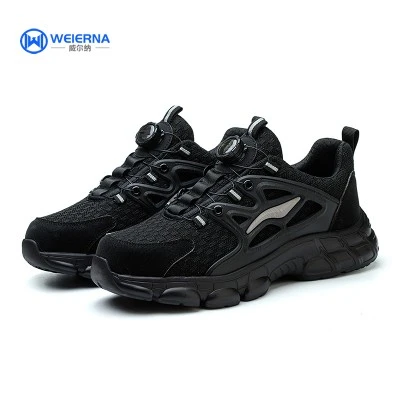
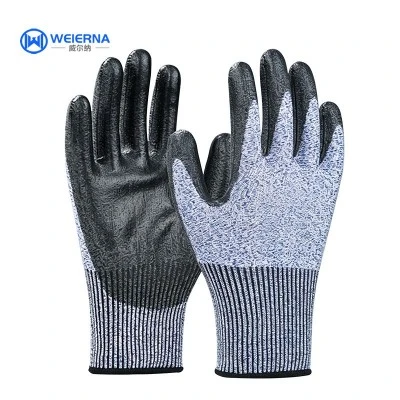
Provides resistance against cuts, punctures, and abrasion, protecting hands from sharp objects, metal shards, and heavy falling objects. Specialized surface textures enhance grip and prevent slipping during material handling or tool operation.
Chemical and Biological Protection
Gloves made of materials such as nitrile or rubber create a barrier against acids, alkalis, solvents, and oils, preventing skin contact, corrosion, and allergic reactions. Certain disposable gloves also block bacteria and viruses, making them suitable for medical and food processing environments.
Protection for Specialized Environments
Insulated gloves protect against electric shock during live-line work; heat-resistant gloves withstand high temperatures and sparks from welding; anti-static gloves prevent static electricity from damaging precision instruments; and anti-vibration gloves absorb vibrations from handheld tools, helping to prevent occupational conditions such as "white finger disease."