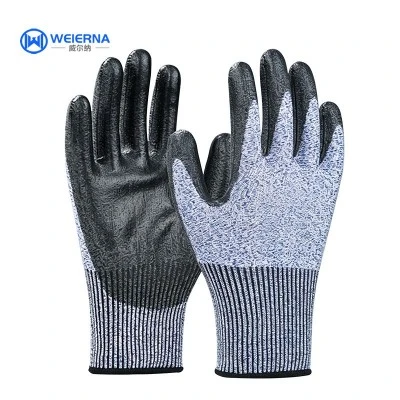
Given the industry's current market scale-valued in the hundreds of billions of yuan-and the ongoing shift toward regulatory compliance, future development trends are primarily focused on the following areas:
Smart Upgrades
Smart protective clothing integrating vital sign monitoring and risk early-warning functions will see rapid adoption. The market for smart protective equipment is projected to exceed 5.8 billion yuan by 2026, with a compound annual growth rate (CAGR) of over 22.5%, marking a transition from passive protection to active safety alerts.
Green and Low-Carbon Transition
Eco-friendly materials-such as bio-based biodegradable fabrics and recycled fibers-will become mainstream as circular economy models are gradually implemented. By 2026, the recycling rate for occupational protective products is expected to reach 35%, and products accompanied by carbon verification reports may command a price premium of 42%.
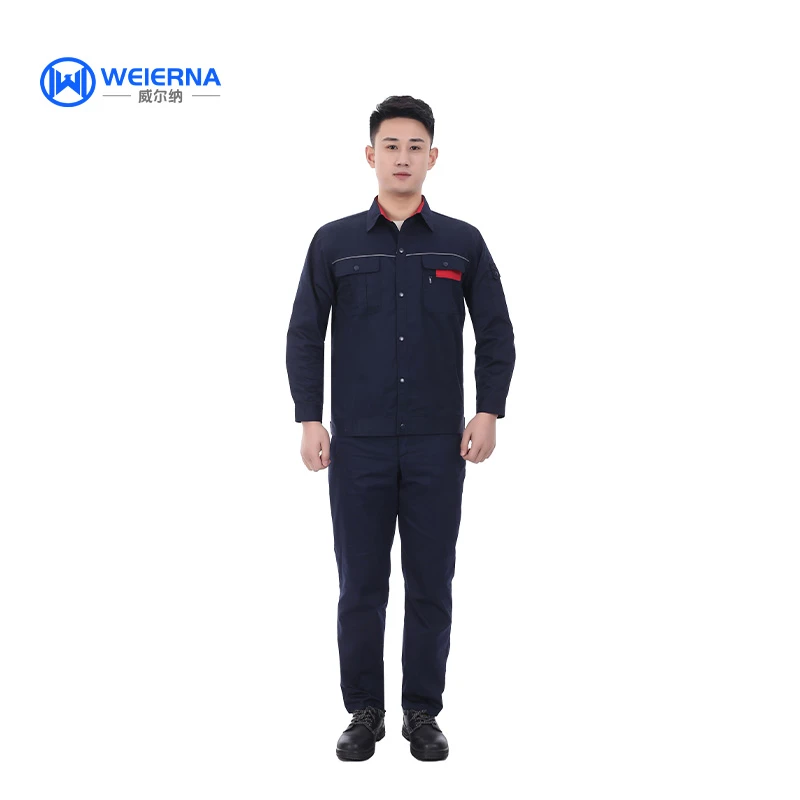
Widespread Adoption of Customization and Flexible Manufacturing
The share of C2M (Customer-to-Manufacturer) customization models will continue to rise. Technologies like 3D virtual prototyping can reduce R&D costs by 24%, enabling capabilities such as "single-unit ordering" and "seven-day delivery" to meet the specific protection needs of diverse industry scenarios.
Increasing Industry Concentration
Stricter regulations will accelerate the phase-out of approximately 15% of outdated, low-quality products. Market resources will concentrate on leading brands that possess LA certification and comprehensive quality inspection systems, while small and medium-sized manufacturers will gradually transition into service providers for niche application scenarios.