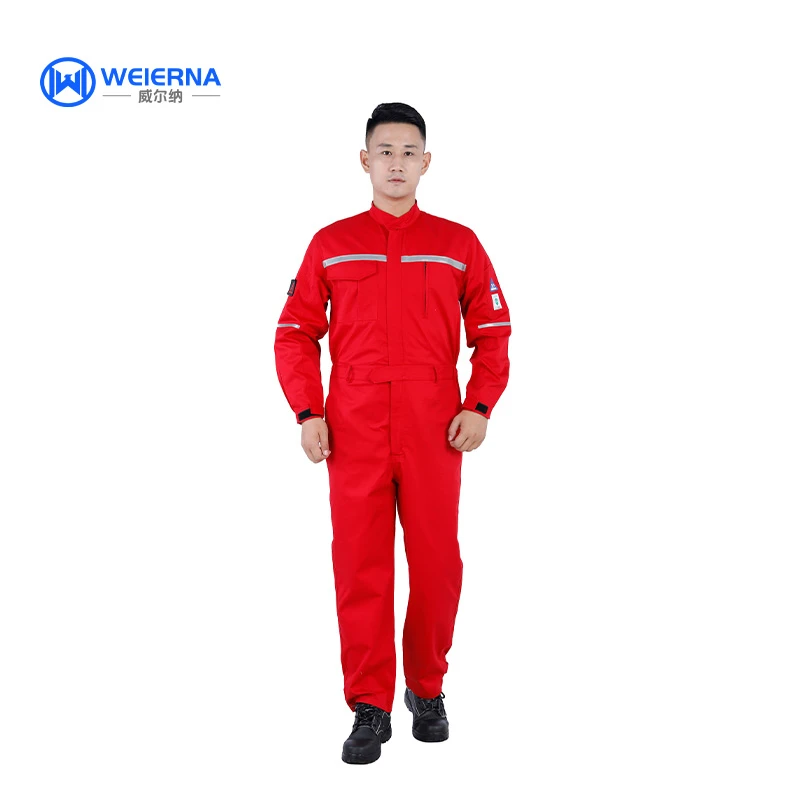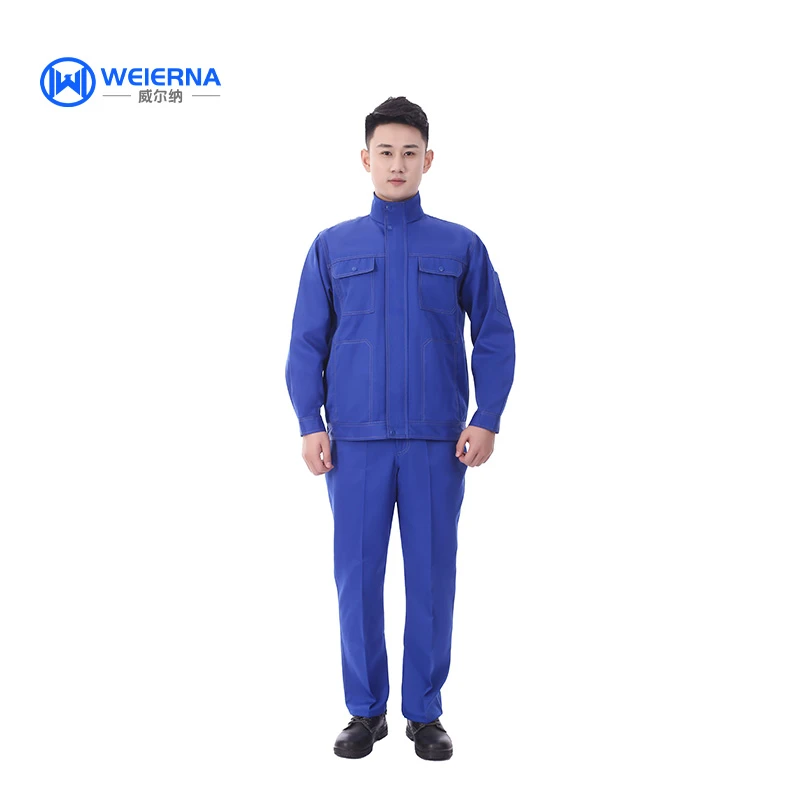
Workwear materials can be categorized into standard basic materials and specialized functional materials; different materials suit specific work environments and possess distinct core characteristics.
Standard Basic Materials
Pure Cotton: Includes cotton twill (drill) and white canvas. These offer good moisture absorption, heat resistance, and thermal insulation; they are skin-friendly, non-irritating, durable, and washable. They are the most common basic fabrics, suitable for general workshops, welding, and similar settings.
Polyester-Cotton/Polyester Twill: A blend of polyester and cotton offering high strength and abrasion resistance. These fabrics have low shrinkage, resist deformation, drape well, are easy to maintain, and offer excellent value. They are suitable for most standard work environments, such as machining and construction.
Chemical Fibers: Represented by materials like polyester fiber. They feature vibrant colors, wrinkle resistance, durability, and machine washability without losing shape. Low in cost, they are frequently used for general anti-fouling workwear.
Poplin: Characterized by a fine texture and a soft, smooth hand-feel. Lightweight and breathable, it is a mainstream fabric for summer workwear.
Specialized Functional Materials
Anti-static Fabrics: Blended with conductive fibers to prevent static sparks; suitable for environments with flammable or explosive risks, such as electronics factories and petrochemical plants.
Flame-retardant and High-temperature Resistant Fabrics: Includes materials like aramid, aluminized fabric, and specialized heat-resistant blends. They feature low thermal conductivity and self-extinguishing properties, making them ideal for high-heat environments like firefighting and high-temperature smelting.
Chemical-resistant / "Three-proof" Fabrics: Treated with special coatings to provide resistance against water, oil, and acids/alkalis; suitable for sectors such as chemical processing, automotive repair, and food service.
Radiation-shielding Fabrics: Includes lead-rubber fabrics and metal-wire blends capable of shielding against electromagnetic or nuclear radiation; used in specialized work environments involving radiation exposure.