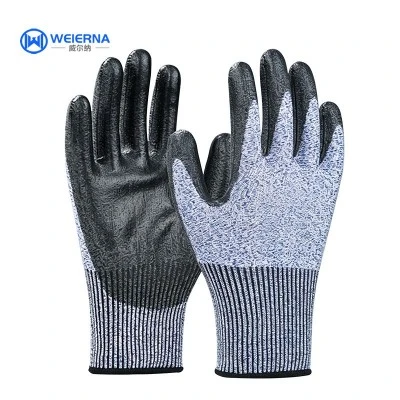
Functional Protection
Its primary role is to guard against occupational hazards such as high temperatures, static electricity, chemical corrosion, and mechanical abrasion. Protective properties are tailored to specific environments; for instance, anti-static garments utilize fabrics with conductive fibers, while flame-retardant clothing employs materials resistant to ignition.
Rational Structural Design
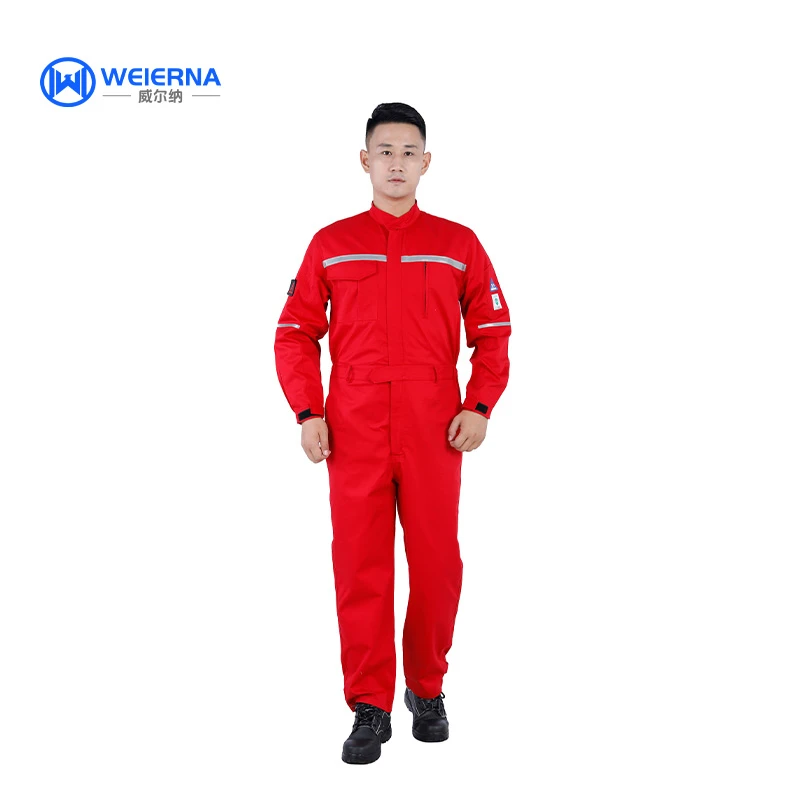
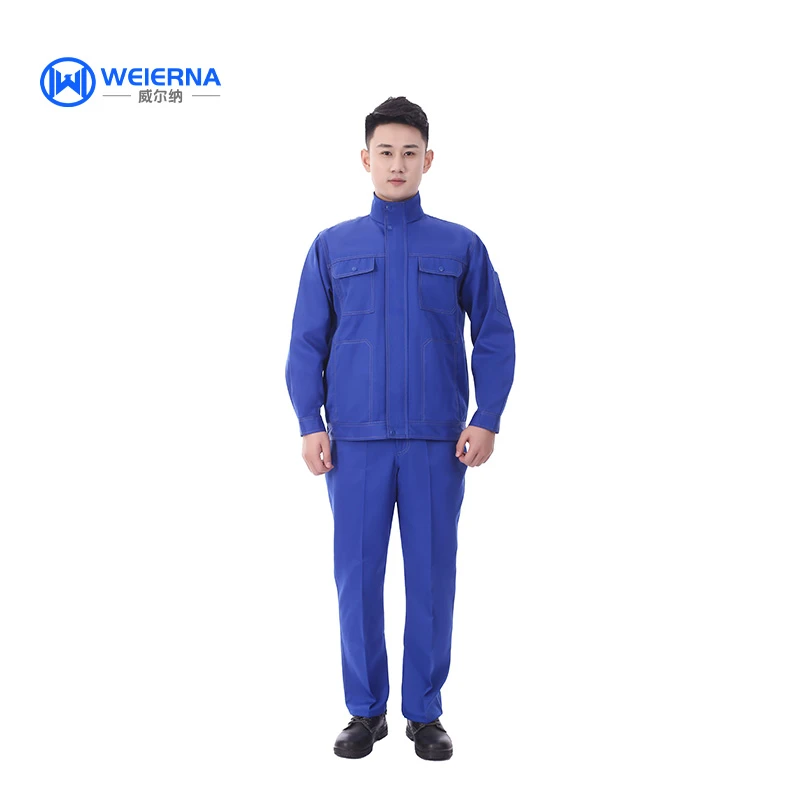
Designs typically feature "three-tight" elements (snug-fitting collars, cuffs, and trouser hems) to prevent garments from snagging on machinery or becoming entangled. High-wear areas-such as elbows, knees, and the seat-are reinforced, while the ergonomic design ensures that limb movement remains unrestricted during work.
Fabric Suitability
Fabrics are selected based on the specific work environment. Standard versions often use durable cotton, whereas specialized applications incorporate functional fabrics offering flame retardancy, acid/alkali resistance, or radiation protection, all while balancing durability with ease of cleaning.
Compliance and Uniformity
Production must adhere to mandatory national standards, such as GB 12014-2019. Most enterprises adopt standardized styles and color schemes, incorporating exclusive logos to facilitate management and reflect team identity.
Practical Details
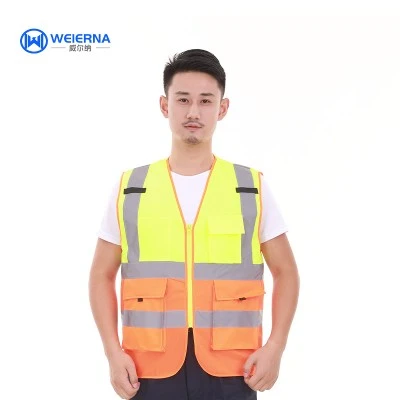
High-visibility reflective strips can be added as needed, and certain styles feature practical elements like multiple pockets and Velcro closures to meet the specific requirements of various work scenarios.