Conduct a Workplace Risk Assessment
First, identify the primary hazards in the work environment:
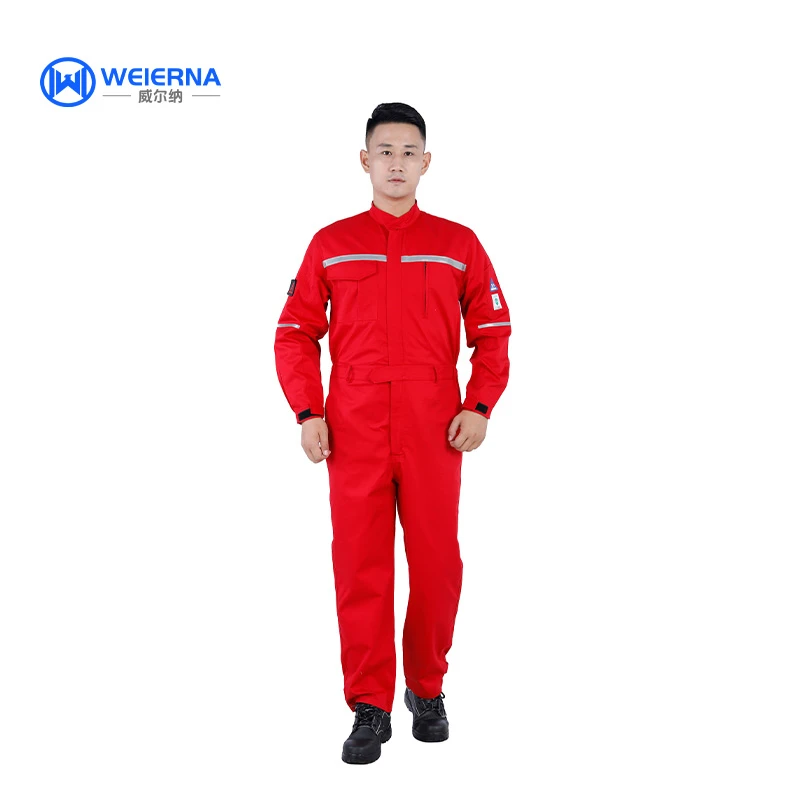
For scenarios involving open flames-such as welding or metallurgy-choose flame-retardant protective clothing that complies with the GB 8965.1-2020 standard;
For environments with high static electricity risks-such as gas stations or electronics factories-choose anti-static clothing that meets the GB 12014-2019 standard;
For chemical handling scenarios, select acid/alkali-resistant or chemical-protective clothing of the appropriate grade.
Verify Compliance and Qualifications
Specialized workwear must bear the "LA" safety mark for special labor protection products. Additionally, request the product certificate of conformity and fabric test reports to confirm that physical properties-such as abrasion and tear resistance-meet the required standards.
Balance Fit and Comfort
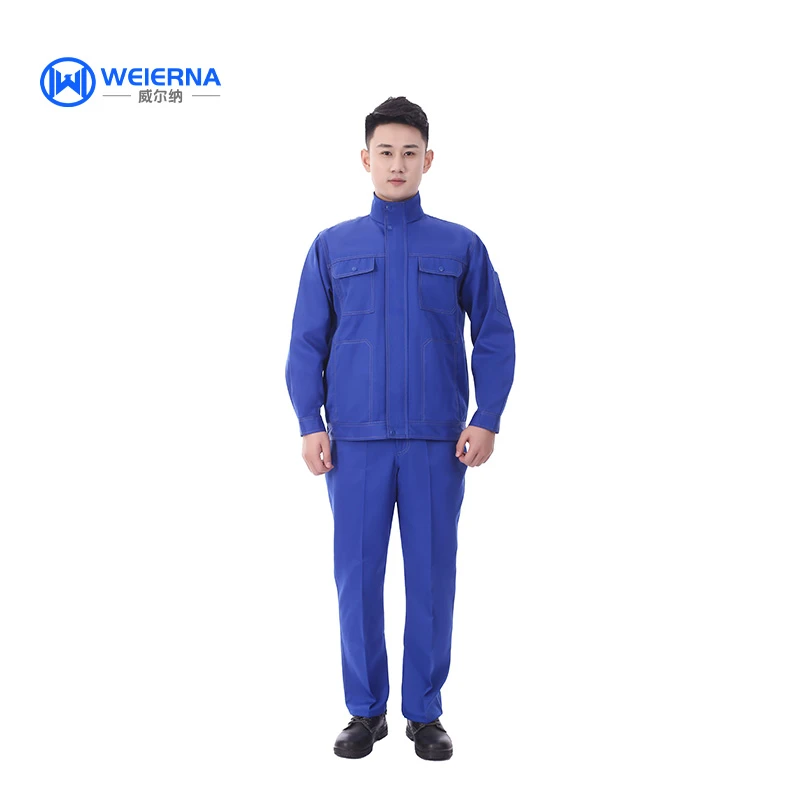
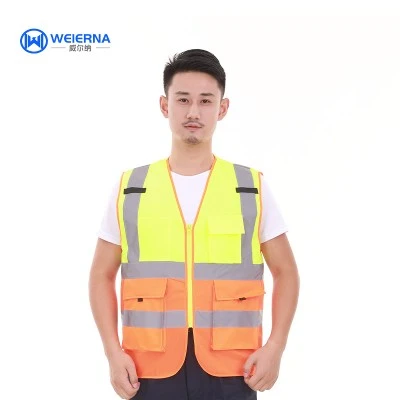
Prioritize designs featuring a "three-tight" configuration (snug-fitting collar, cuffs, and hem); ensure external pockets have flaps to prevent the accumulation of splashes or debris;
Balance protection with comfort; select a solution that optimizes the trade-off between protection levels and breathability based on the ambient temperature and labor intensity;
Conduct trial fittings across the full size range to ensure a proper fit that does not compromise operational flexibility or protective effectiveness.
Check Quality Through Details
Verify quality using the five-step method: Check for complete labeling; Inspect the appearance for defects; Feel the fabric for softness; Smell for irritating odors; and Try on the garment to confirm ease of movement.