
The structural design of work gloves focuses on balancing protection, dexterity, and wearer comfort. While different glove types possess unique structural features, the core design logic relies on a synergistic, multi-layered approach to provide comprehensive protection.
Universal Core Structure
Three-Layer Protection System
The outer layer typically utilizes high-density cowhide, thickened polyester, or a dipped coating to provide scratch and abrasion resistance. The middle layer incorporates aramid fiber mesh, aluminum foil heat-insulating film, or cushioning foam to provide thermal insulation, puncture resistance, and impact dispersion. The inner layer uses combed cotton or cotton-spandex elastic fabric; these materials are skin-friendly and moisture-absorbent, preventing the palm from becoming sweaty or slippery.
Integrated Knitted Body
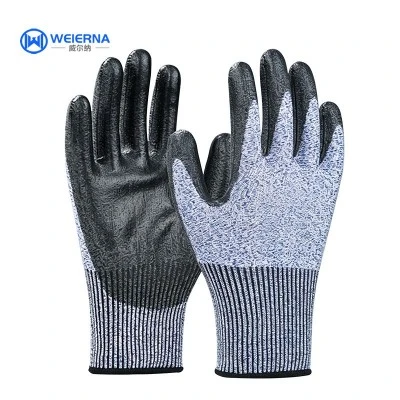
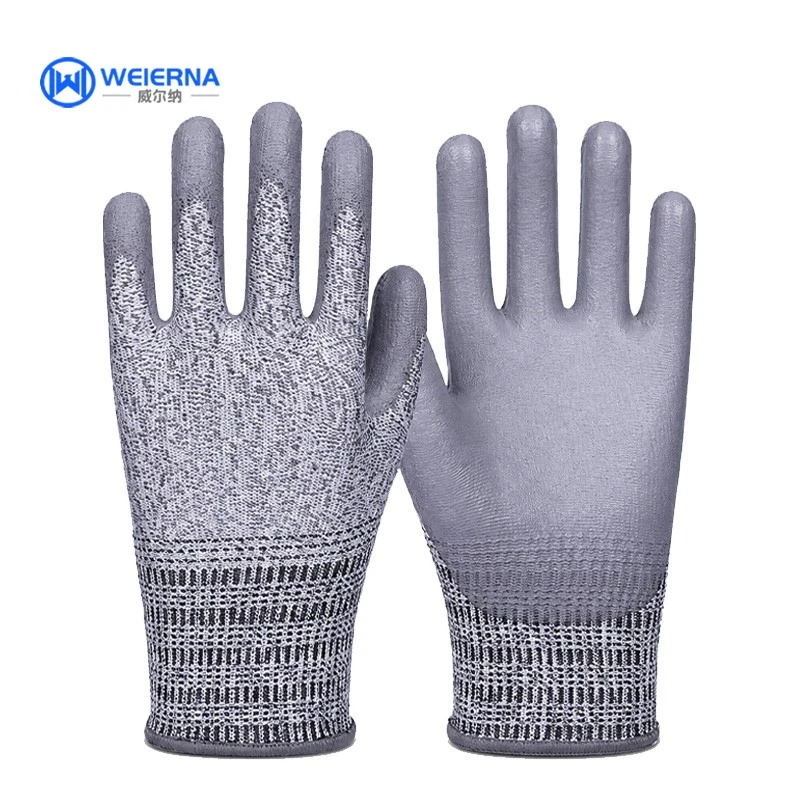
Most dipped gloves are based on a seamless 13-gauge polyester or nylon liner. The wrist, palm, and finger sections are formed as a single unit, minimizing potential abrasion points at seams and enhancing the overall fit.
Structural Characteristics of Specific Types
Individual Finger Structure
Five separate finger stalls encase each finger individually. The webbing between the ring finger and little finger sits lower than the other finger gaps to optimize finger mobility, balancing the dexterity required for precision tasks with essential protection; this design is widely used in specialized gloves for electrical insulation and cut resistance.
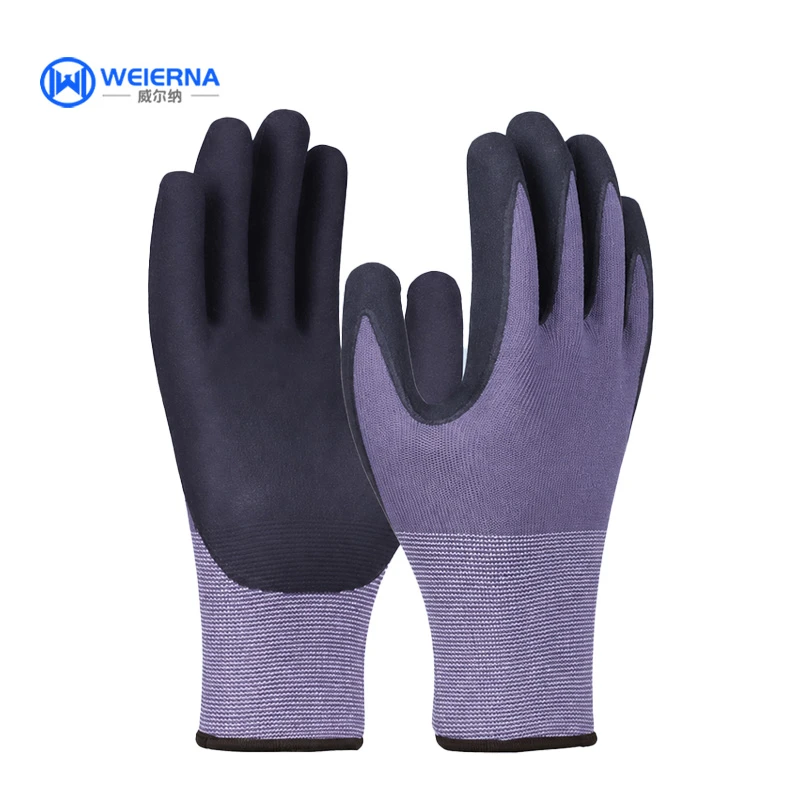
Dipped Anti-Slip Structure
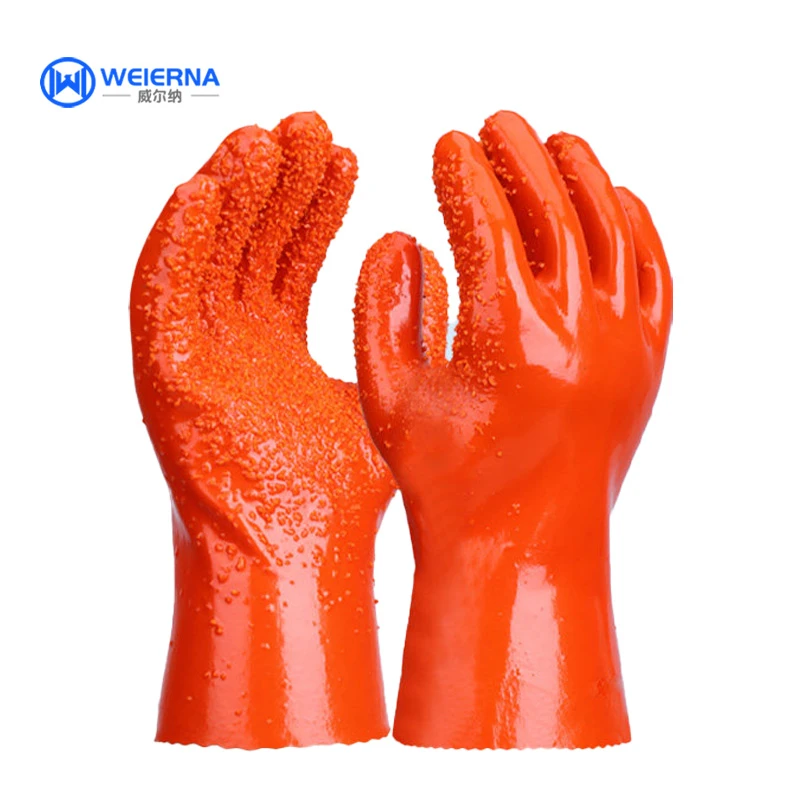
Taking crinkle-finish polyester gloves as an example, the liner is dipped in natural latex and treated to create a textured surface resembling a walnut shell. Additionally, reinforced connecting bands across the back of the hand and fingers prevent the anti-slip coating from peeling off, significantly improving grip stability in oily or wet environments.