

Leather Materials
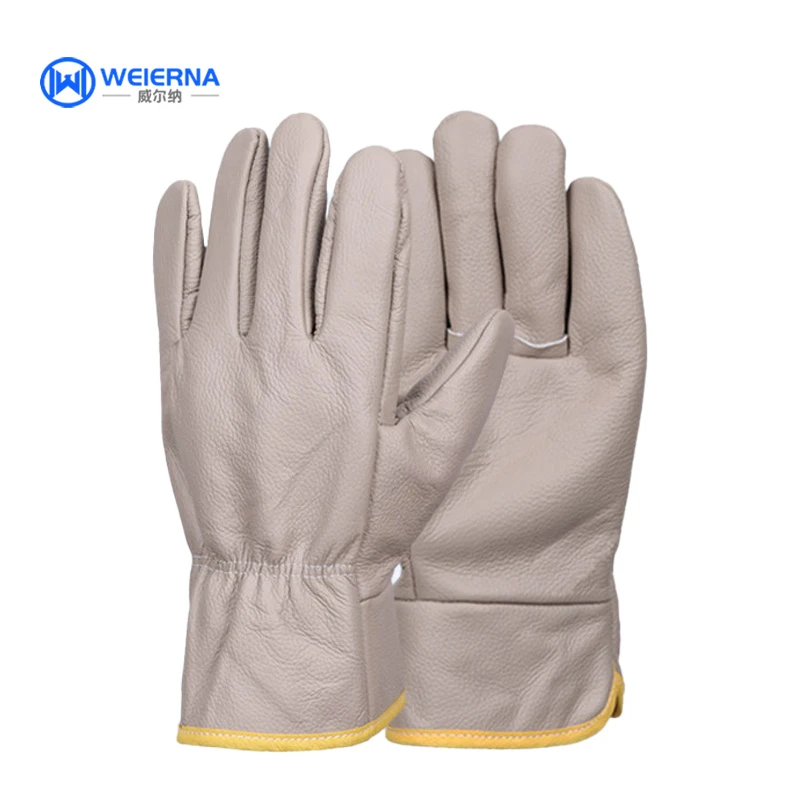
Top-grain leather: Derived from the outer layer of the hide; requires no additional mechanical processing. It offers dexterity, comfort, and precise grip, making it suitable for handling small to medium-sized objects.
Split leather: Derived from the inner layer of the hide; offers excellent abrasion resistance and is suitable for heavy manual labor, welding, and similar tasks.
Specific leather types:
Cowhide: Top-grain cowhide is soft and abrasion-resistant; split cowhide offers great value for money. Both are mainstream materials for protective gloves.
Goatskin: Lighter than cowhide, with excellent mechanical resistance and a superior tactile feel.
Pigskin: Low-cost; primarily used for basic barrier protection.
Lambskin: Lightweight and thin, offering dexterity and comfort; typically used for general, light-duty protection.
Synthetic Fiber and Rubber Materials
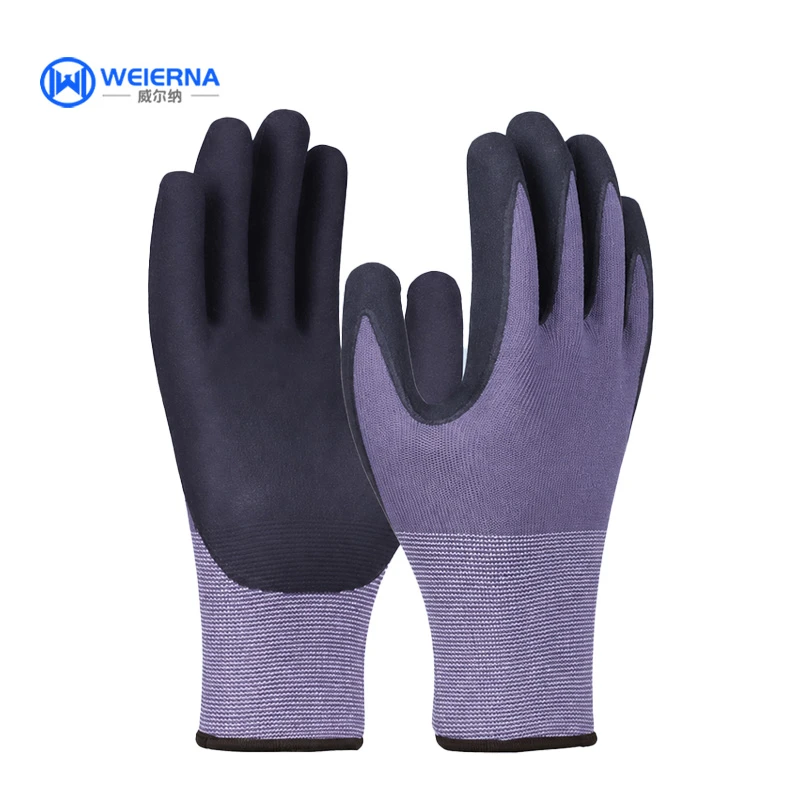
Nitrile rubber: Offers excellent abrasion and puncture resistance, flexibility, and comfort, as well as resistance to oils, acids, and alkalis. It is a common material for industrial and laboratory settings.
Natural latex: Highly elastic and flexible, with good tear and cut resistance; suitable for oil-free work environments.
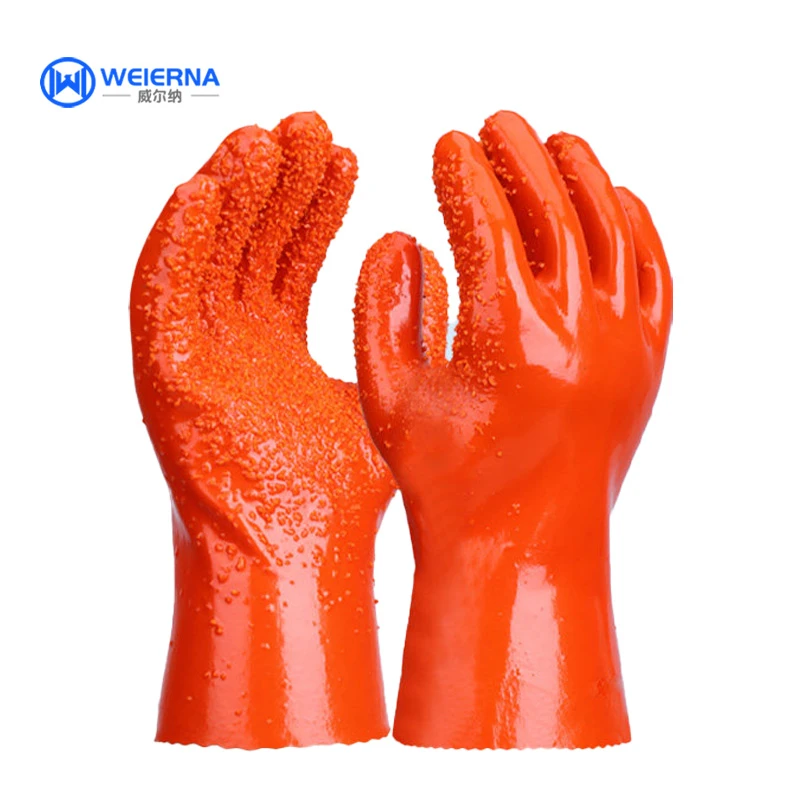
PVC: Provides basic protection against abrasion and punctures; thickened versions offer some cut resistance. Commonly used for general chemical protection.
Neoprene: Resistant to petrochemical products and highly resistant to aging; widely used in the chemical industry.